
Australian GPU pricing and upgrade guide
GPU Resale Value Australia
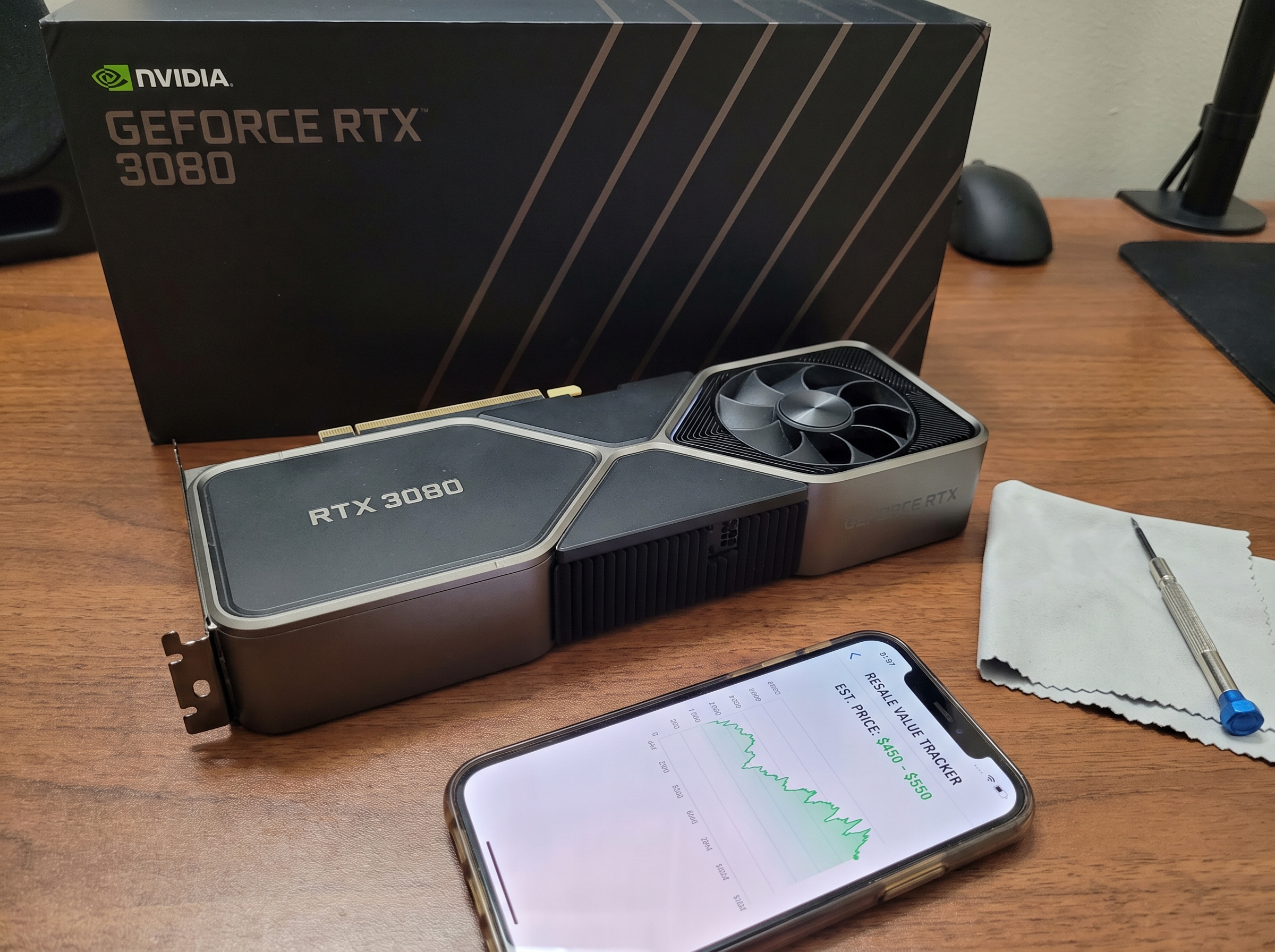
A used graphics card is worth more than its age suggests when demand is healthy, condition is excellent, warranty is transferable and the original box is still there. This guide helps Australian buyers and sellers estimate resale value more realistically instead of guessing from one listing.
Used-market prices move quickly. Treat this page as a pricing framework, then compare with current Australian listings before buying or selling.
Quick answer
The best estimate of GPU resale value comes from the current Australian used market, adjusted for condition, age, warranty and card tier
A high-end card may retain value surprisingly well if it still performs strongly and local demand is healthy. A budget model can hold up too if it remains one of the best cheap gaming options. The real mistake is pricing a card from memory instead of comparing it with similar current listings.
Use the estimator below to create a starting range, then refine it with real local comps from Australia.
What pushes used prices
The four biggest drivers of Australian GPU resale value
Faster cards usually age better
Cards that still perform well at 1080p, 1440p or 4K tend to hold value longer than models that quickly fall below current expectations.
Buyers pay more for confidence
Dust-free cards, honest photos, normal temperatures and a clean ownership story reduce buyer hesitation and improve offers.
Launch cycles matter
New GPU launches, price cuts and major sales events can rapidly shift the fair asking range of older cards.
Box and invoice help
Original packaging, receipts and accessories do not create magic value, but they can improve trust and narrow price negotiation.
Visual resale guide
Good resale pricing is a balance between market reality and sell speed
The video gives the quick overview. The interactive estimator below turns that idea into a practical starting range using the price you originally paid and the main value drivers that matter in the used market.
It is a framework, not a guarantee. Always compare it with live Australian listings before you publish an asking price.
Interactive resale estimator
Estimate a realistic used-GPU asking range
Enter your original price and then adjust for age, tier, condition and extras. The tool gives a starting estimate in AUD.
estimated value = original price × age factor × tier factor × condition factor + warranty bonus + accessory bonus
Estimated used-market range
Estimated resale valueWaiting for inputs
Suggested asking rangeWaiting for inputs
Value retainedWaiting for inputs
Sell-speed suggestionWaiting for inputs
Enter your GPU details and calculate
This estimator creates a starting point for your Australian asking range. Check live listings before setting the final price.
Pricing strategy
How asking price changes your selling experience
| Pricing approach | Typical result | Best for | Main risk |
|---|---|---|---|
| High ambition price | Higher upside if the right buyer appears | Sellers with time | Longer time on market |
| Fair market price | Balanced speed and outcome | Most sellers | Requires accurate comps |
| Fast-sale price | Quicker buyer interest | Urgent upgrades or cash needs | Leaving money on the table |
| Bundle price | May help move a full system or extras | Sellers with spare parts | Bundle can hide true card value |
| Trade-in mindset | Convenience over maximum value | People upgrading quickly | Usually lower realised value |
What determines GPU resale value in Australia?
GPU resale value comes from a mix of performance relevance, supply and demand, card condition, buyer trust and the timing of your listing. The price you originally paid matters, but it is only the starting reference.
The used market is forward-looking. Buyers care more about what the card can still do today than what it cost when it launched.
Performance still matters more than age alone
Two cards can be the same age and hold value very differently. A model that still offers strong 1080p or 1440p performance often ages better than a slower card that no longer feels competitive in new games.
That is why flagship and upper mid-range GPUs often keep a better percentage of their value than weaker models from the same era.
Condition changes trust, and trust changes price
Used-GPU buyers worry about heat, dust, coil noise, physical damage and whether the card lived a hard life. Clean presentation and honest detail can therefore lift the price because they reduce uncertainty.
Good photos, a short usage summary and proof that the card works normally all help support a stronger asking range.
Resale rule: the closer your listing feels to a safe purchase, the closer your price can sit to the top of the local market range.
Warranty and receipt quality can support value
Remaining manufacturer warranty, a clean invoice and clear purchase history do not always add huge dollar value, but they can make buyers more comfortable. That confidence can improve both price and sale speed.
Read GPU Warranty Australia if you want to explain warranty value properly in your listing.
The original box is not magic, but it helps
Many buyers like the original box, accessories and anti-static packaging because it signals care. It also helps if the card needs to be posted. The box alone will not save an overpriced listing, but it can make a fair listing more persuasive.
Launch timing can move prices quickly
Resale value often softens around new product launches, aggressive retailer discounts or major buying periods when better alternatives appear. A card can lose perceived value even when nothing about the hardware itself changed.
Use Best Time to Buy a GPU and GPU Price Tracker Australia to understand the new-card market around your used listing.
Why some older GPUs keep surprising resale value
Cards that hit a sweet spot for mainstream gaming can hold value better than expected because they remain attractive to budget buyers. This is especially true when current-generation cards are expensive or when budget alternatives are weak.
That demand is one reason older cards like the RTX 3060 or popular mid-range AMD models can remain relevant in the used market.
Should mining history affect price?
Buyers often ask about previous mining use because it affects confidence, even though actual card condition varies case by case. The best approach is honesty. If the history is uncertain, price more conservatively and present the card clearly.
Where to check real market value
The best valuation method is still comparison. Look at current Australian listings for the same model, then adjust for condition, warranty and completeness. If possible, note how long cards stay unsold at higher prices.
Use Where to Buy a GPU in Australia and your preferred used marketplaces to understand where buyers are actually shopping.
Selling fast versus selling high
Your best asking price depends on your goal. If you want the highest possible return, list slightly above your minimum acceptable number and be ready to wait. If you want a quick sale, price closer to the lower-middle end of the fair local range.
There is no universal right answer. Good pricing matches your timeline.
Resale value should influence how you buy new GPUs
Some cards cost more upfront but hold value better over time. Others look cheap initially but depreciate harder. That does not mean resale should control every buying choice, but it can improve the true long-term value of your upgrade path.
For import-sensitive purchases, read GPU Import Duty and GST. For less-standard sourcing, check Grey Market GPU Risks.
A simple resale-pricing workflow
- Start with the original price and the card's current age.
- Adjust for performance tier and present-day relevance.
- Adjust for condition, cleaning and cosmetic wear.
- Add a modest premium for box, accessories and proof of purchase.
- Compare with real local Australian listings.
- Choose a price based on how fast you want to sell.
Related Australian GPU guides
- Australian GPU Guides Hub
- GPU Price Tracker Australia
- Best Time to Buy a GPU
- GPU Warranty Australia
- Where to Buy a GPU in Australia
- GPU Import Duty and GST
- Grey Market GPU Risks
Verification policy
Used-card asking prices, buyer demand and new-GPU pricing can all change quickly. This page provides a strong pricing framework, but your final asking range should always be checked against current Australian market activity before you list the card.
Final verdict
GPU resale value in Australia is best estimated from current local market reality, not from an old launch MSRP or a guess based only on age. Cards hold value when they still perform well, look trustworthy and make sense relative to current alternatives.
Use the estimator as a starting point, then validate it with live listings. That will give you a much better chance of pricing well and selling with confidence.
Australian used-GPU questions
Frequently asked questions
How do I estimate GPU resale value in Australia?
Start with current Australian listings for the same model, then adjust for age, condition, warranty, accessories and how quickly you want to sell.
Does the original box increase GPU resale value?
It usually helps buyer confidence and can improve sale speed. It does not transform a weak listing, but it can support a better price on an otherwise well-presented card.
Do high-end GPUs hold value better?
Often they do, especially when they remain strong performers for modern games and workloads. However, timing and the release of new products can still move their value quickly.
Should I mention mining history?
Yes. Honesty improves trust. Buyers will often ask, so a clear explanation is better than leaving doubt in the listing.
Is my original purchase price the right resale price reference?
It is only a starting point. The current local market matters more than what you originally paid.
Next Australian guide
Want to buy smarter so resale value stays stronger later?
The next step is understanding where to buy and how to compare better local purchase routes.